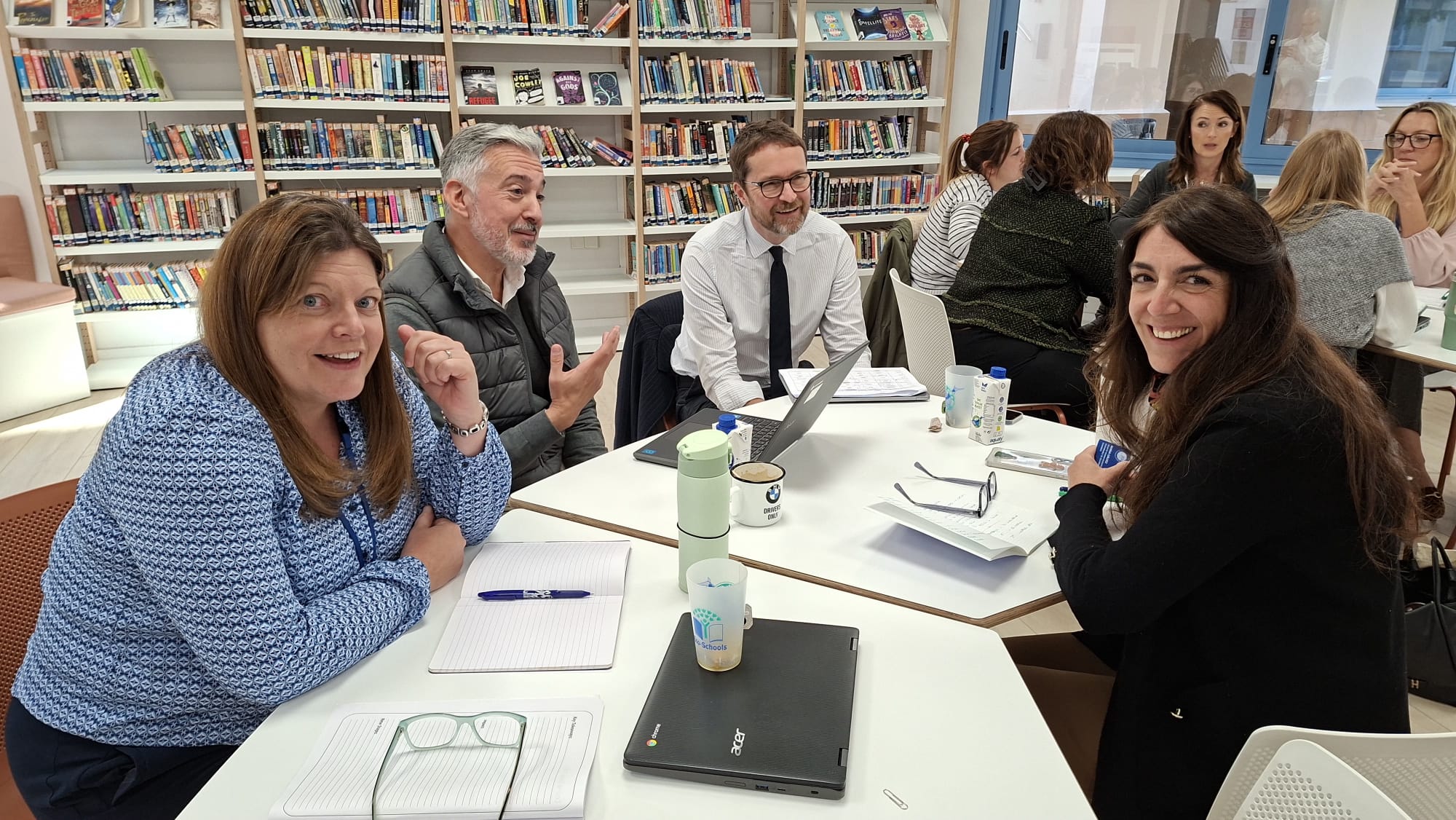
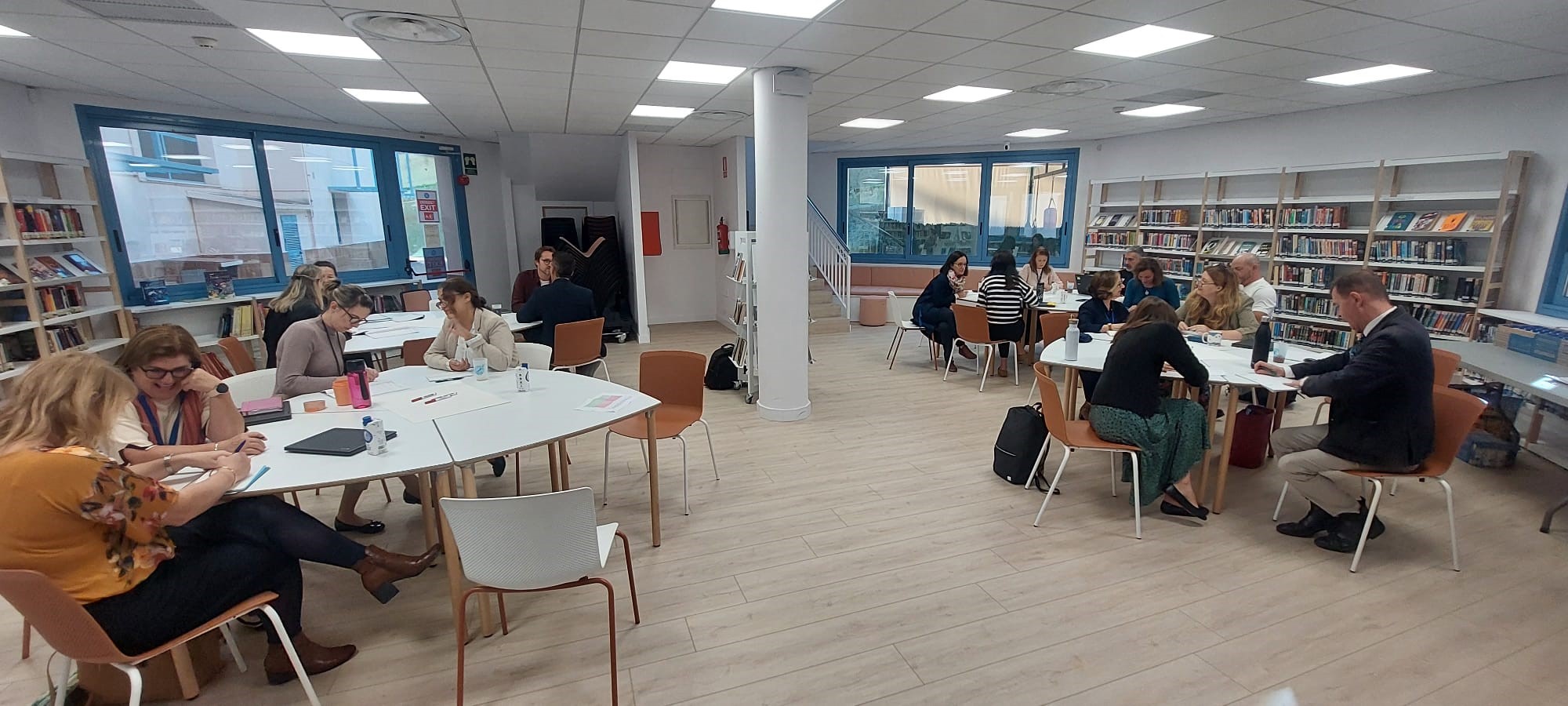
For more than 25 years, KAA has been delighted to work alongside leaders across the COBIS world. A consistent pattern has emerged: when leadership development is reflective, research informed and closely connected to school systems, it strengthens confidence, culture and classroom impact. Recent work with schools including Our Lady of Mercy School and the British School in Rio de Janeiro, Sans Silvestre School in Lima, Aloha College, the British School of Bucharest and St Christopher’s School, Bahrain highlights this clearly. In Rio, leaders valued structured time to articulate their own leadership challenges and goals. For example, written feedback from staff said “KAA emphasised the importance of practical tools that could be applied immediately in meetings and team dialogue” and one participant described the impact of “choosing to assume positive intent rather than defaulting to worst case thinking”. Such cognitive shifts reshape professional relationships and decision making. In Lima, middle leaders spoke of renewed clarity and motivation. Several reflected that the programme had reignited their professional energy and given them a clear plan for action. What this reminds us is that when leaders regain purpose, teaching and learning benefit.
At Aloha College, the focus of our work has been sustained professional development in developing high quality coaching conversations, deliberately linked to annual review and development processes. Coaching is not positioned as an isolated initiative but as part of the fabric of performance growth and professional dialogue. Over time, this alignment has strengthened accountability and trust.
At St Christopher’s School, Bahrain, the coaching culture has deepened further still. Many leaders have successfully completed the CMI Level 5 Professional Award in Coaching Practice, a significant professional achievement that builds accredited internal expertise. It is great that our coaching director, Dr David Porritt can support staff in COBIS schools in gaining this level of qualification to recognise the brilliant work they do every day. David says “the process of gaining the CMI award ensures that coaching within the school is not informal or incidental but grounded in recognised professional standards”.
At KAA we have noticed over the last 10 years of developing coaching in COBIS schools that effective coaching conversations share common characteristics:
- They begin with disciplined curiosity and lots of listening, rather than advice.
- They establish clear developmental outcomes for the coachee.
- They use structured questioning to surface assumptions and thinking, and to develop forward momentum.
- They combine psychological safety with professional challenge.
- They conclude with explicit commitments.
Informed by research from Richard Boyatzis and leading coaching scholars such as Rogers and Clutterbuck, this approach strengthens both relational trust, emotional regulation and cognitive clarity. Coaching becomes a daily leadership habit rather than a specialist activity.
Three practical lessons emerge for COBIS schools.
- Provide protected time for leaders to reflect.
- Anchor development in evidence informed frameworks while ensuring practical application.
- Embed coaching within performance and review structures so that growth is sustained rather than episodic.
As we look ahead to the upcoming COBIS conference 2026, we are genuinely excited to reconnect with colleagues across the network. The professional generosity of COBIS schools has long been a defining strength in our consultancy, leadership development and coaching work over the last 25 years. Meeting friends, sharing case studies and continuing these conversations reinforces our shared commitment to developing confident, reflective leaders who improve outcomes for young people.
When leadership development and accredited coaching are thoughtfully embedded, schools build lasting capacity from within. In a complex and demanding educational landscape, that investment in people remains the most reliable driver of sustained improvement.